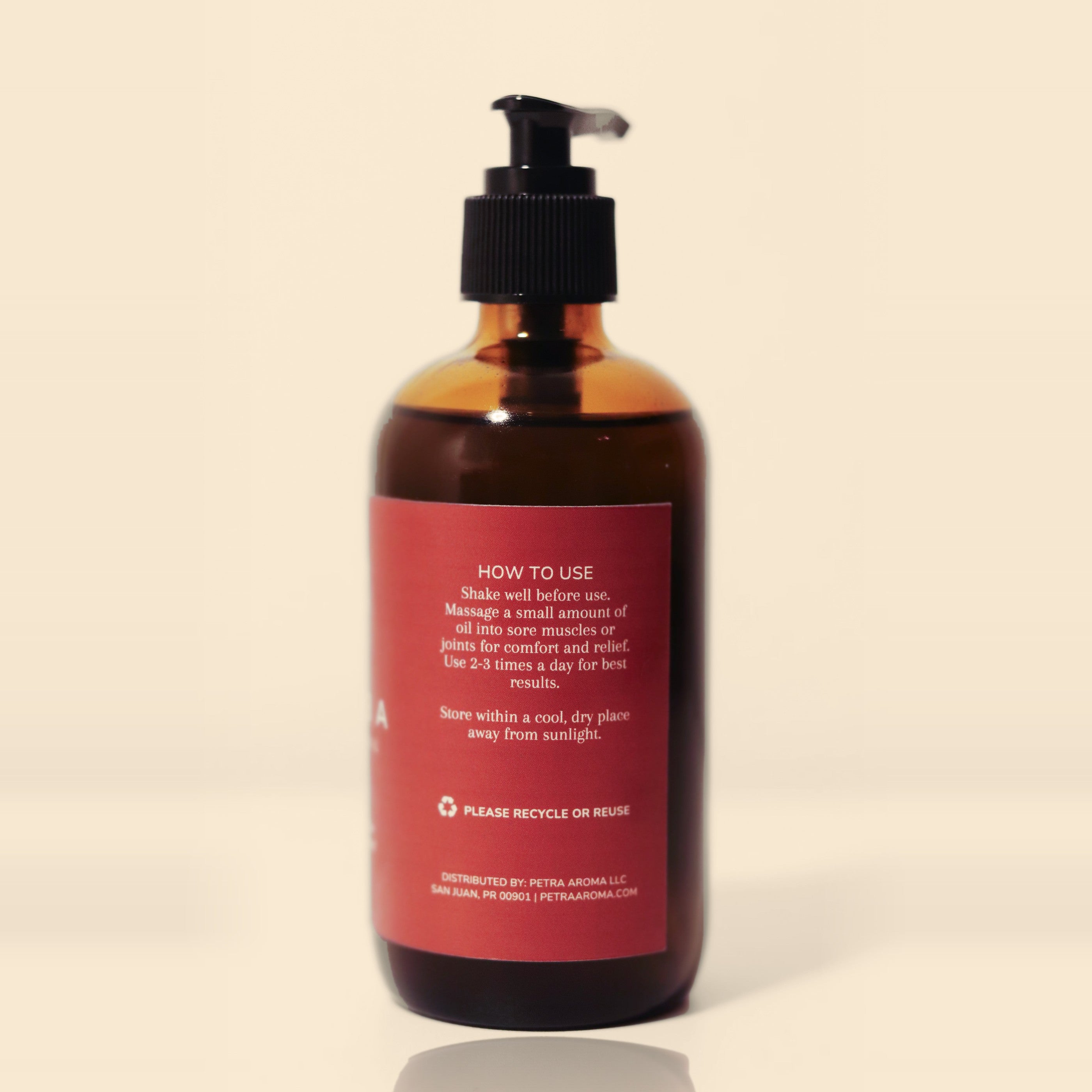
Cacao for your skin: why we put it in a body oil

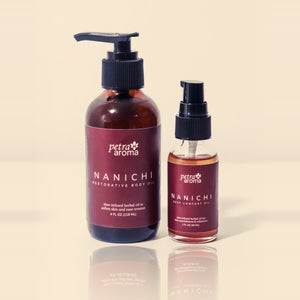
Cacao is one of those plants everyone thinks they know. Chocolate, dessert, something warm in a cup on a cool morning. But long before it was a confection, cacao was medicine, currency, and ceremony across the tropics, and it has been growing quietly in Caribbean soil for centuries. When we set out to make an oil for skin that feels tight, flaky, or simply worn out, cacao was the plant we kept returning to. That is how our cacao body oil, Nanichi, came to be: whole cacao, slow-infused into organic moringa seed oil, with the aroma coming from the bean itself and zero essential oils.

the story of cacao in the Caribbean
Cacao (Theobroma cacao) traveled from the forests of Mesoamerica and the Amazon into the islands, where it found the humidity and shade it loves. In Puerto Rico, cacao was planted alongside coffee and citrus, tucked under taller trees on hillsides, harvested by hand, fermented in wooden boxes, dried in the sun. Families made their own bolas de cacao, dense hand-rolled balls of ground bean and spice, grated into hot milk for breakfast or pressed into the hands of someone who needed comforting.
That is the register cacao occupies in the Caribbean. It is not a luxury ingredient here. It is the thing your grandmother reaches for when you come home cold, tired, or heartbroken. When we talk about the story of cacao in the Caribbean, we are talking about a plant that has always been associated with care given directly from one person to another.
So putting cacao into a body oil was not a novelty decision. It was a translation. We wanted the same warmth people have been receiving from cacao for generations, delivered to skin instead of to a cup.
what cacao does for dry skin
Dry skin is usually two problems at once. There is not enough lipid on the surface to hold water in, and there is often low-level irritation underneath: the tightness, the itch, the pink patches that show up on shins and elbows and the backs of arms in air conditioning.
Cacao is rich in flavanols, the same family of compounds that get so much attention in cacao research. Cocoa flavanols have been shown in clinical research to support skin elasticity and reduce wrinkles.[1] That matters for skin that feels stiff and papery, because elasticity is what lets skin move without cracking at the fold.
The other half of the formula does the calming. Moringa seed oil applied to skin has documented anti-inflammatory activity.[2] It is a light, fast-absorbing oil pressed from the seeds of a tree that grows all over the island, and it carries the cacao into skin without the heavy film that thicker balms leave behind. Together, that is what cacao does for dry skin in this oil: it softens and supports the structure while the moringa settles the irritation that comes with dryness.
what makes cacao oil for skin different from cocoa butter?
Cocoa butter is the fat pressed out of the bean, usually deodorized, usually solid at room temperature. It sits on top of skin and does that job well. Whole-plant cacao oil for skin is a different thing entirely. We infuse the whole cacao slowly into moringa, which pulls out far more of the bean than fat alone: the flavanols, the color, the deep roasted aroma.
The practical difference is how it moves. Nanichi spreads easily, sinks in within a minute or two, and leaves skin soft rather than coated. The aroma is real cacao, warm and a little bittersweet, and it fades gently instead of announcing itself. Nothing synthetic was added to build it.

how to use a cacao body oil
Be generous. This is the part people get shy about, and it is the part that makes the difference.
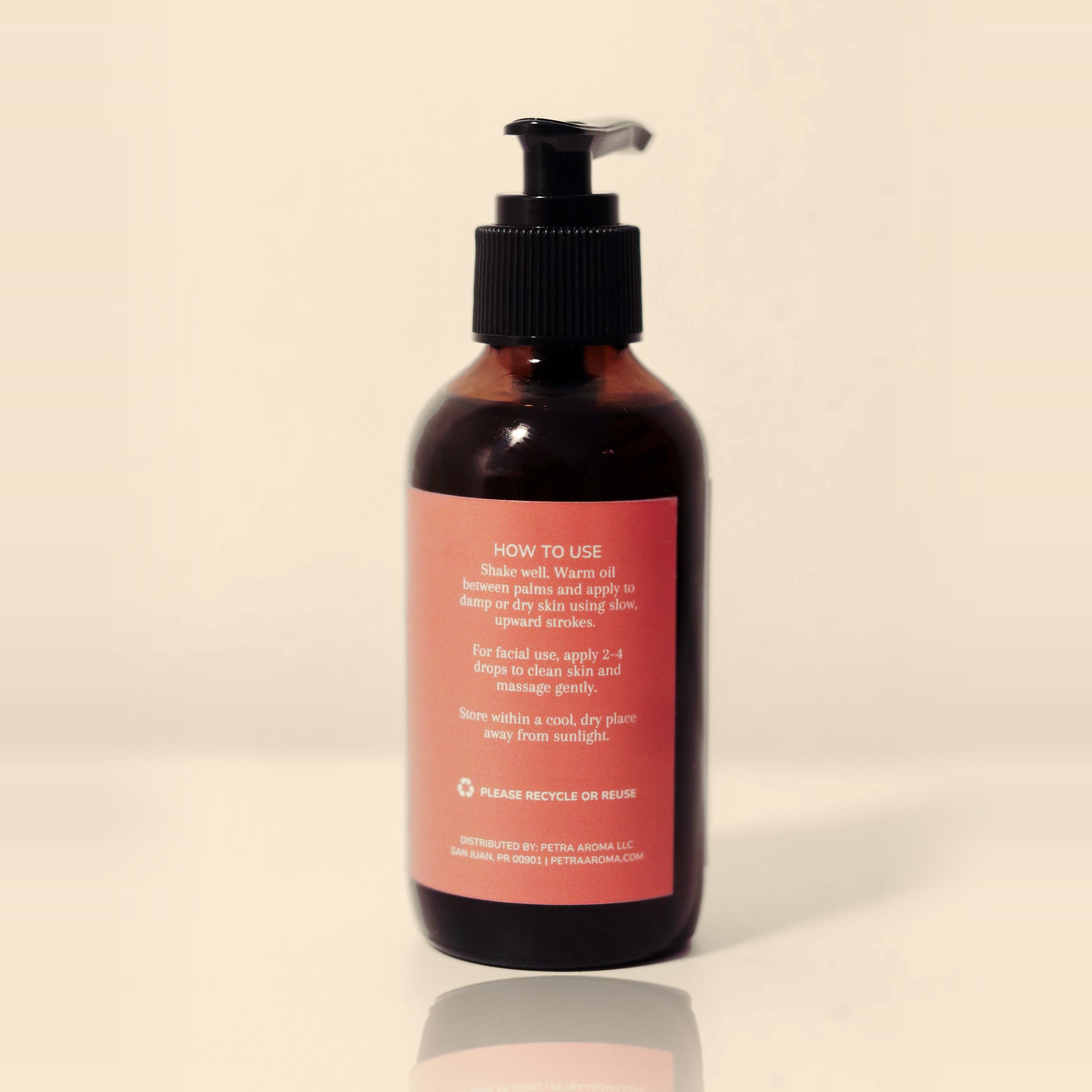
The best moment is right after a shower or bath, while skin is still damp. Warm three or four pumps between your palms and press them into legs, arms, torso, and anywhere that feels tight. Damp skin gives the oil water to hold onto, which is exactly what dry skin is missing. Take a second pass over shins, elbows, knees, and heels with a few more pumps, since those areas have fewer oil glands and lose moisture fastest.
If your skin is very dry, use it twice: morning and night. On rough patches, apply generously and let it sit for a minute before dressing. In cooler months, or in a heavily air-conditioned office, keep a bottle at your desk for hands and forearms.
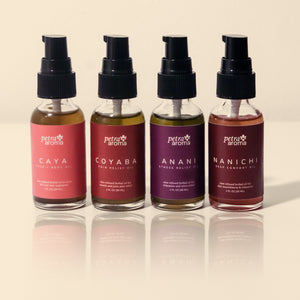
Slow hands are part of the practice. Work upward toward the heart, with enough pressure to feel it. Five extra minutes of touch turns getting dressed into something restorative. If your face runs dry too, our Caya face + body oil is a natural companion.
why nanichi means my heart
Nanichi comes from Taíno, the indigenous language of Borikén, and it means my heart. It is what you call someone you love. If you have ever heard a Puerto Rican elder say it, you know the tone it carries: soft, unhurried, completely certain of you.
That is why Nanichi means my heart and not something more descriptive. We could have named it after the dryness it addresses. Instead we named it after the way the plant has always been given. Cacao in the Caribbean has never been about performance. It is about being handed something warm by someone who wants you to feel better.
Meet Nanichi, our cacao oil for skin that needs comfort, and if you are not sure which of our oils belongs in your hands first, take the quiz and we will help you choose.
references
- Cocoa Flavanol Supplementation Influences Skin Conditions of Photo-Aged Women: A 24-Week Double-Blind, Randomized, Controlled Trial. The Journal of Nutrition. 2016. https://pubmed.ncbi.nlm.nih.gov/26581682/
- Expanding the anti-inflammatory potential of Moringa oleifera: topical effect of seed oil on skin inflammation and hyperproliferation. Journal of Ethnopharmacology. 2020. https://www.sciencedirect.com/science/article/abs/pii/S0378874119339662