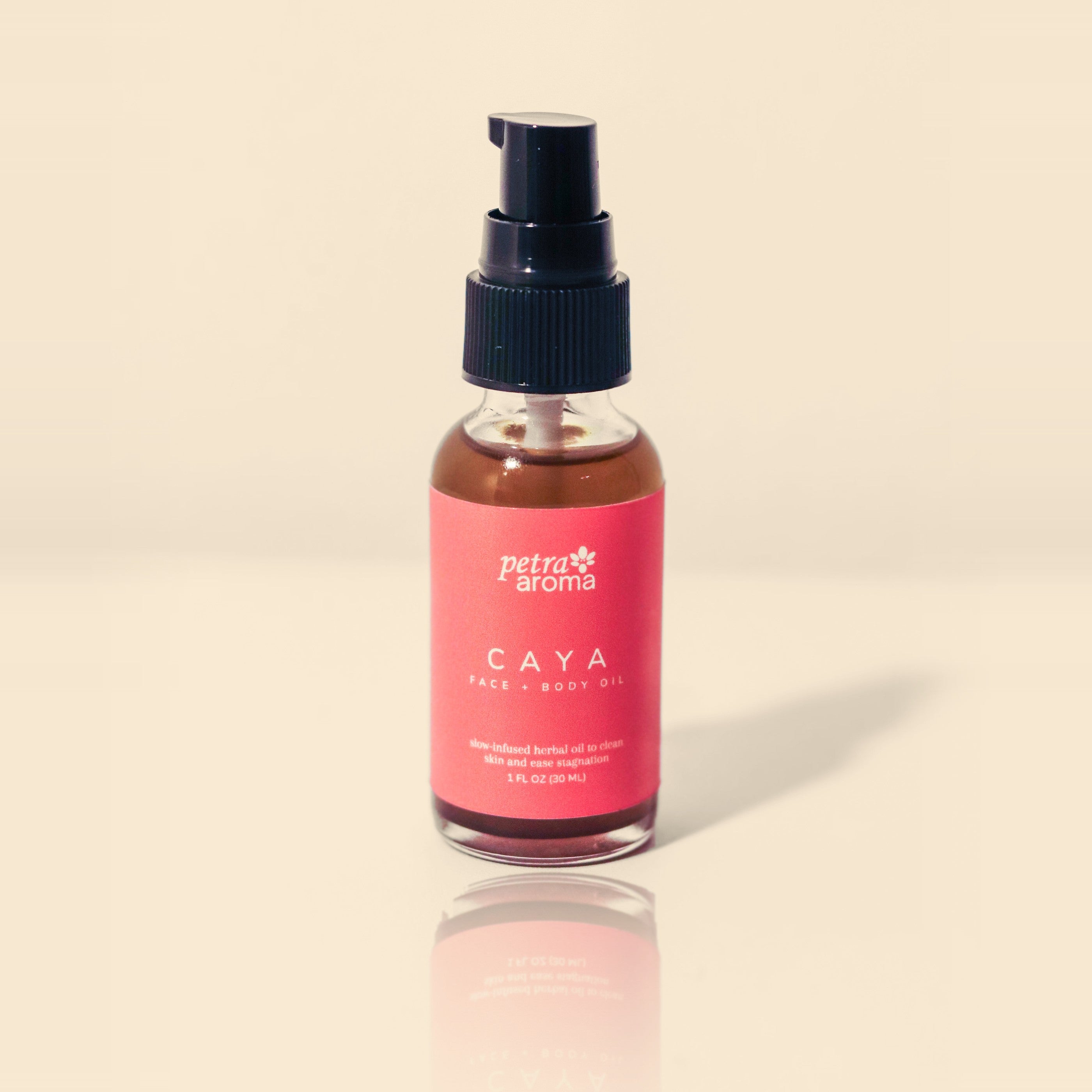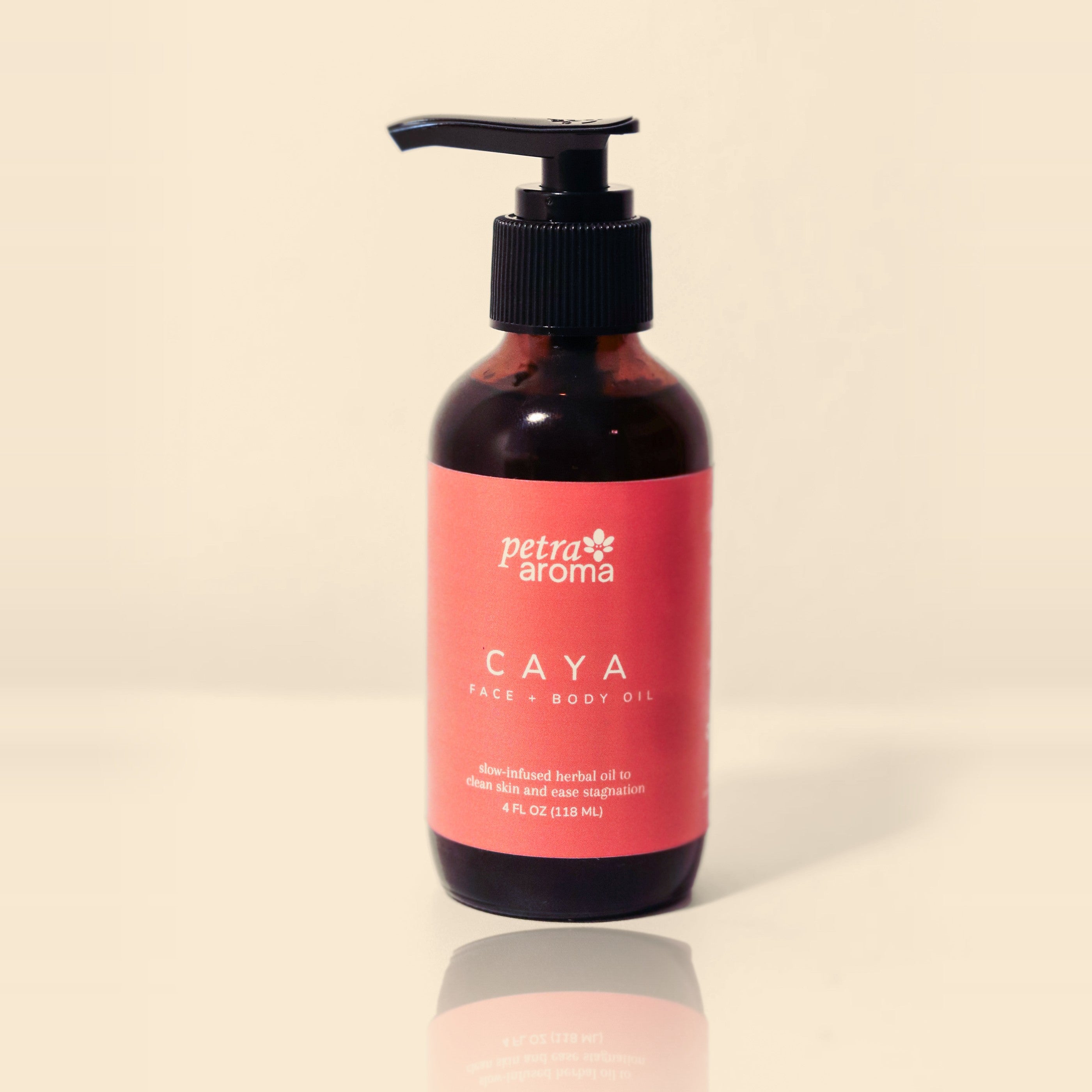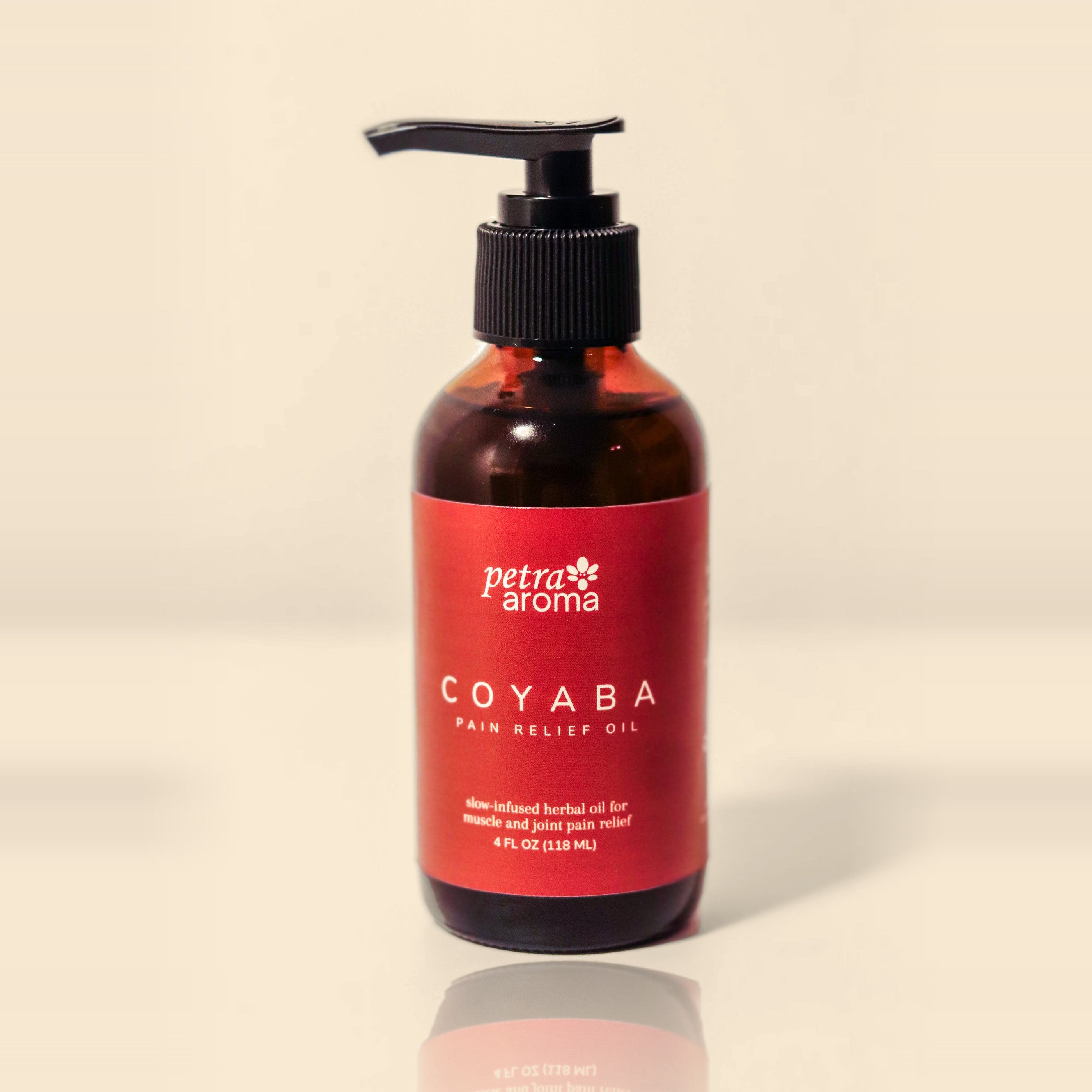
rosemary, malagueta and almácigo: the plants inside coyaba, our herbal pain relief oil

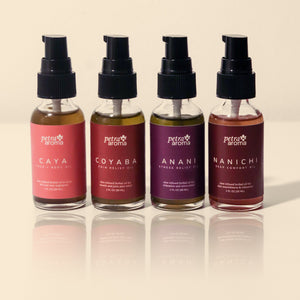
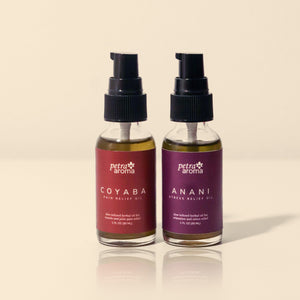
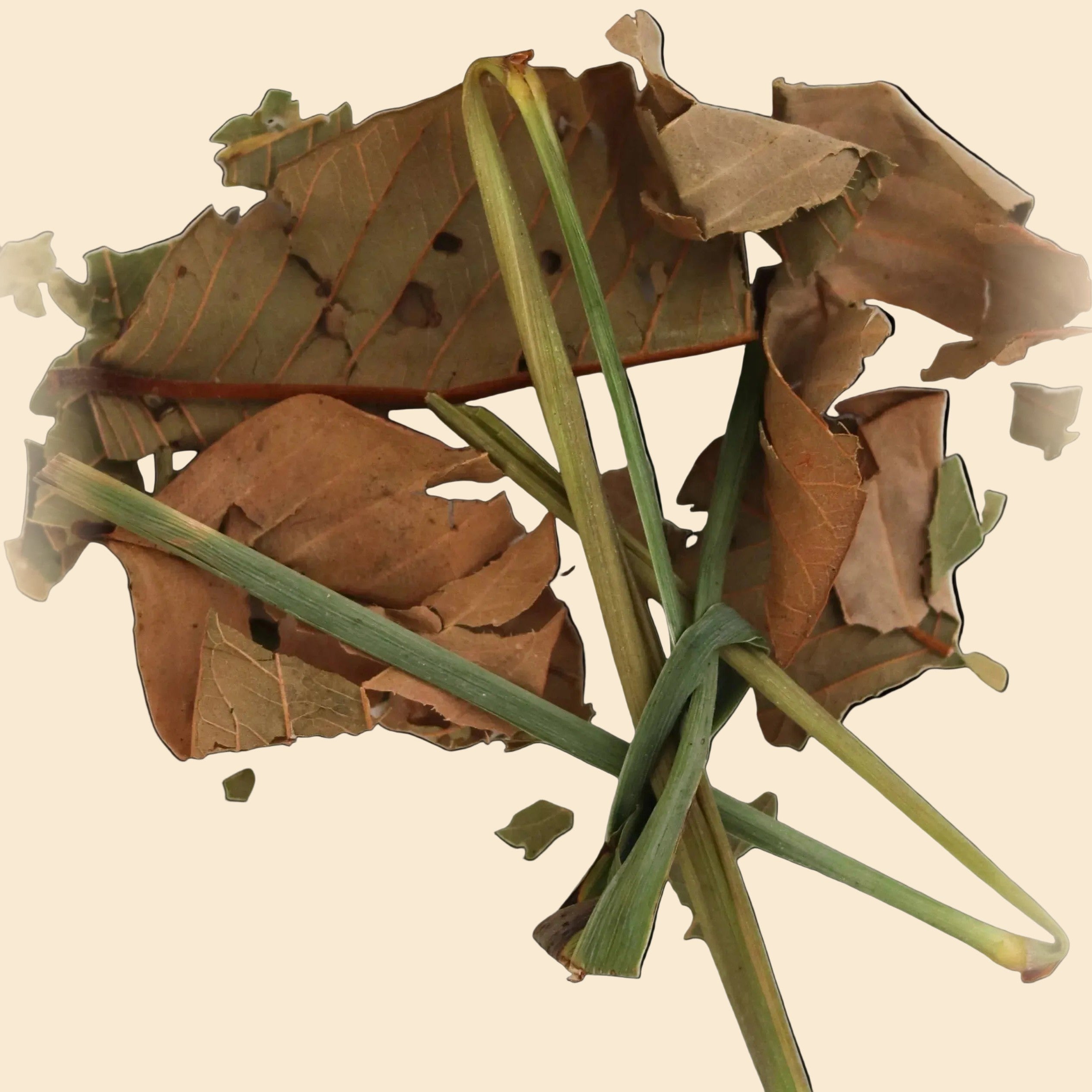
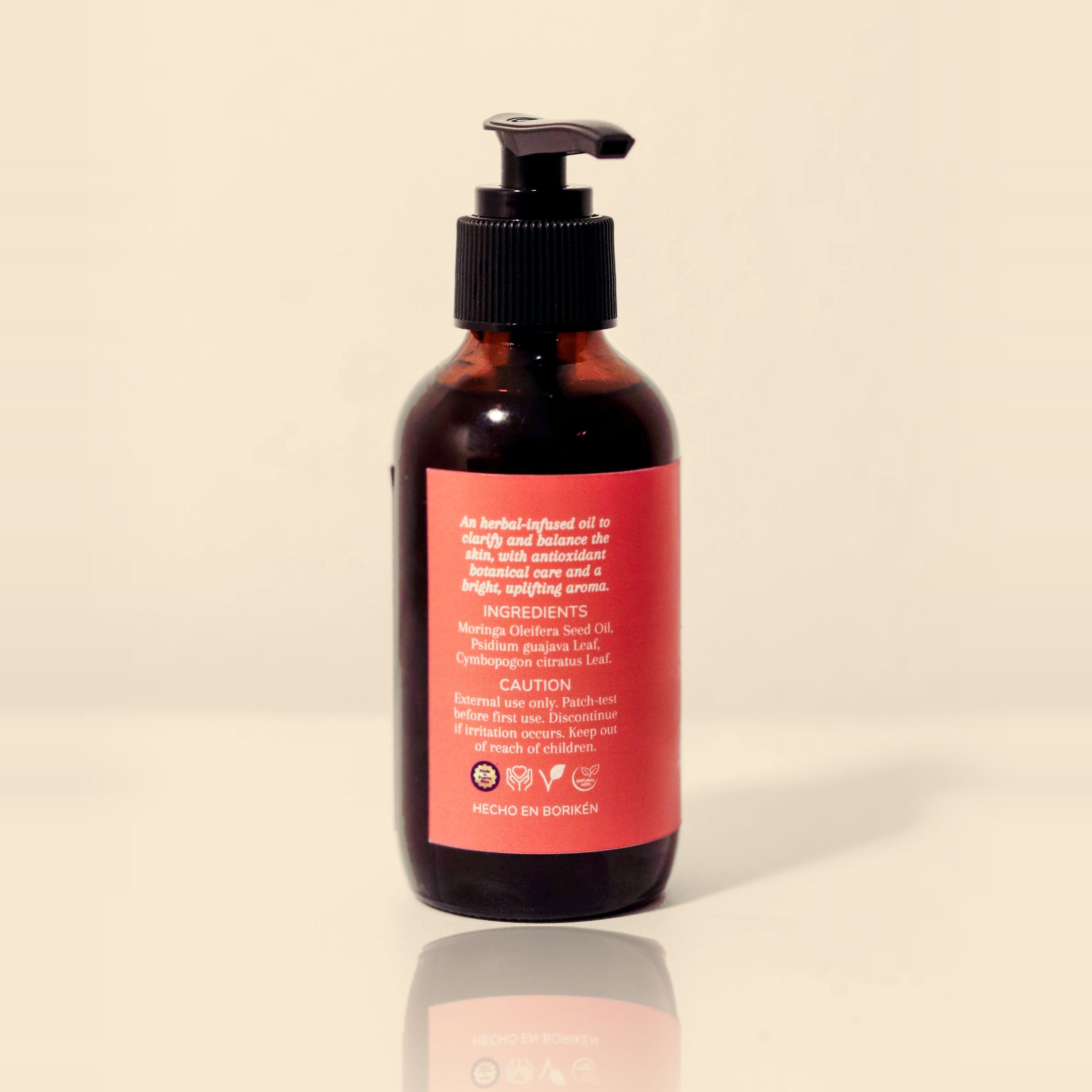
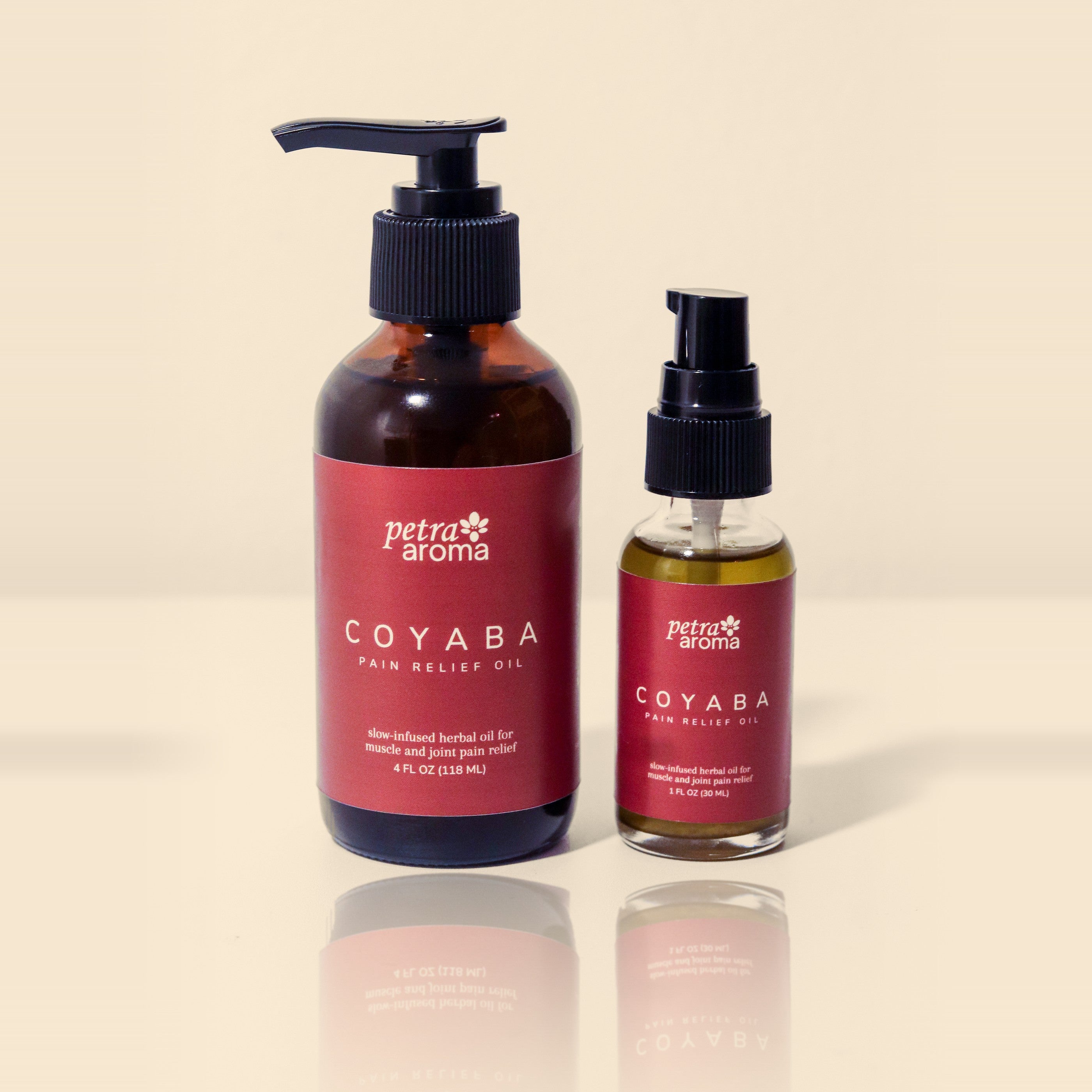
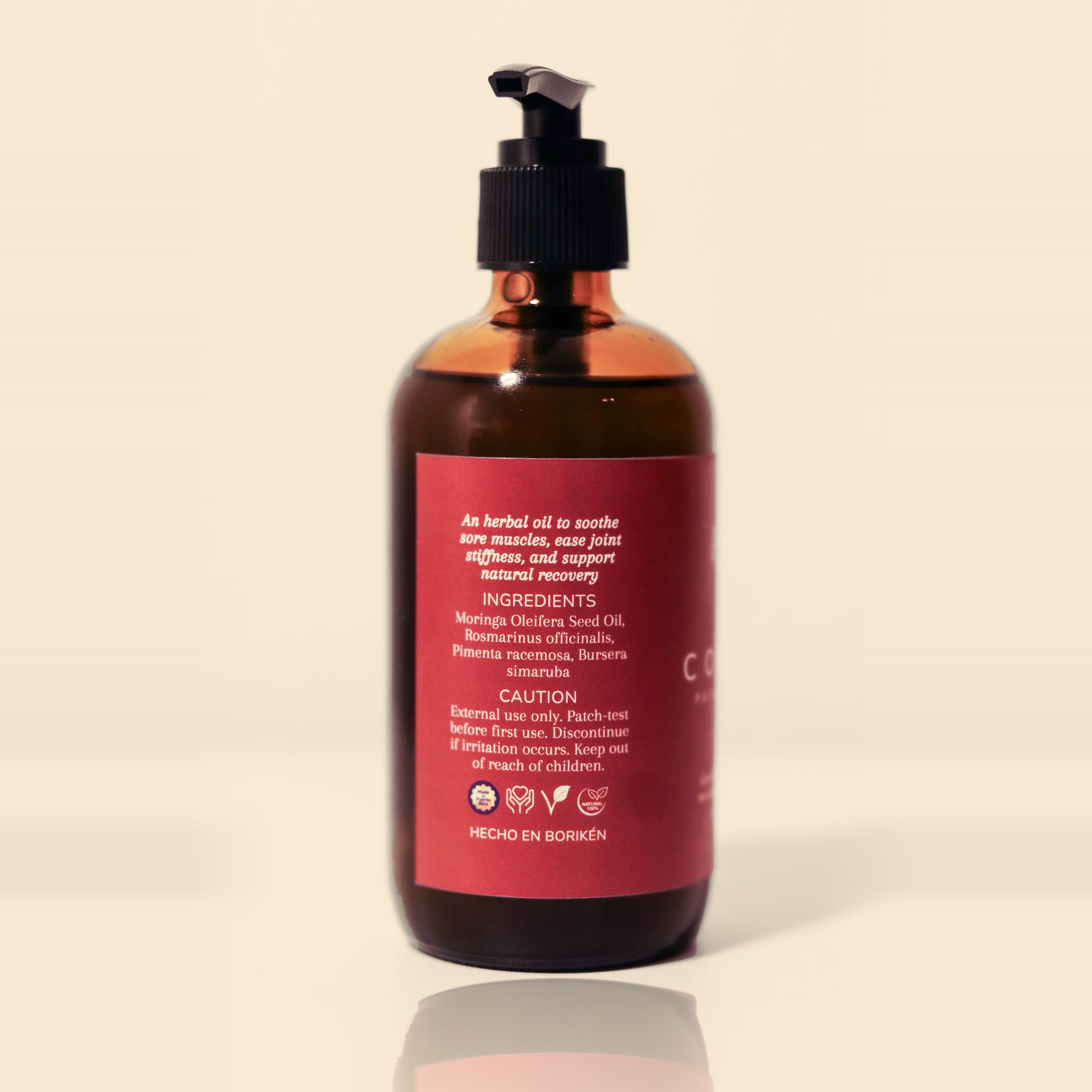
Coyaba is our herbal pain relief oil, and it is made with four ingredients: organic moringa seed oil and three plants with a long history of caring for tired, sore bodies. Those plants are rosemary, malagueta and almácigo. People reach for Coyaba after a long shift on their feet, a hard workout, a day of carrying kids and groceries, or a neck that has been stiff all week. Here is what lives inside the bottle, why we chose each plant, and how to use it so it does the most for you.
rosemary, a plant with a long history in muscle care
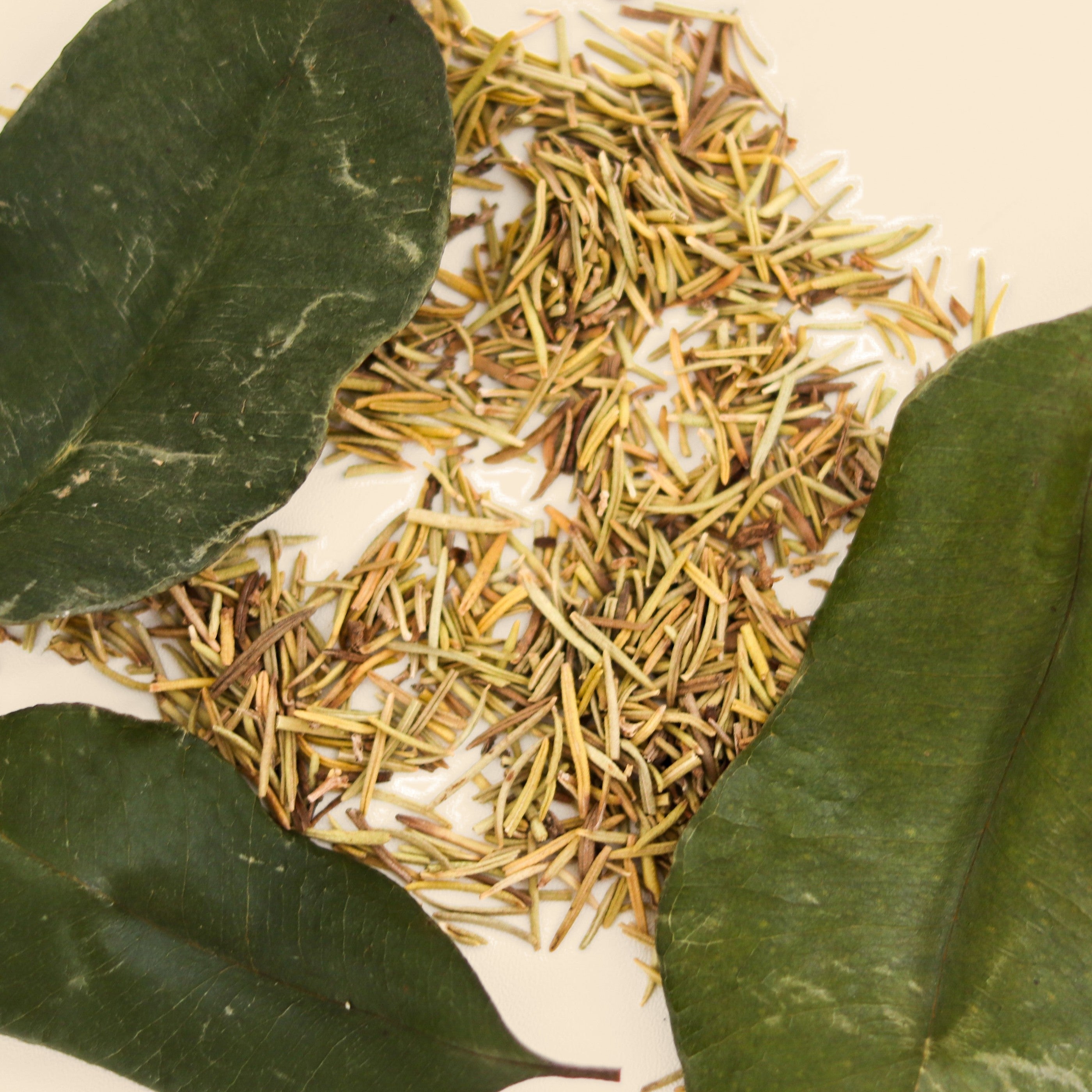
Most people know rosemary from the kitchen. It is the needled herb in a roast, the sprig tucked into a pot of beans, the plant growing happily in a sunny corner of the garden. Its aroma is sharp, green and a little piney.
Rosemary comes from the Mediterranean. There, and in many of the places it has traveled since, it has long been part of home care for aching muscles. The research has followed that tradition. Rosemary extracts have documented analgesic and anti-inflammatory activity in laboratory studies[2], which is part of why rosemary is in Coyaba.

malagueta, the leaf with the warm, spicy aroma
Malagueta (Pimenta racemosa) is native to the Caribbean. If you have ever crushed one of its thick, glossy leaves between your fingers, you know the aroma: warm and spicy, close to clove, with something bright underneath. In English it is called the bay rum tree.

Malagueta has been part of home remedies across the islands for generations, rubbed onto sore joints and tired muscles after hard work in the form of alcolado. The research lines up with that long use. Malagueta leaf extracts have documented antinociceptive, meaning pain-reducing, and anti-inflammatory activity[3]. It is one of the plants we are most grateful to have growing so close to home.
almácigo, the tree with the peeling red bark
Almácigo (Bursera simaruba) is easy to recognize once someone points it out. It is the tree with smooth, coppery red bark that peels away in thin, papery sheets, and it grows along roadsides and through the dry forests of Puerto Rico. In English it goes by gumbo limbo.

Across the Caribbean and Central America, almácigo has a long place in traditional medicine, especially for aching joints and everyday stiffness. Almácigo leaf extracts have documented anti-inflammatory activity, consistent with its long traditional use[4]. Outside the islands it is the least known of the three plants in Coyaba, and it is the one we are proudest to share, because it is so much a part of the landscape here.
what makes coyaba a herbal pain relief oil
The fourth ingredient holds the other three together: organic moringa seed oil. Moringa is light, it sinks in at a steady pace that gives you time to massage, and it has documented anti-inflammatory activity of its own when applied to skin[1]. The base brings its own qualities to the oil, along with carrying the plants.
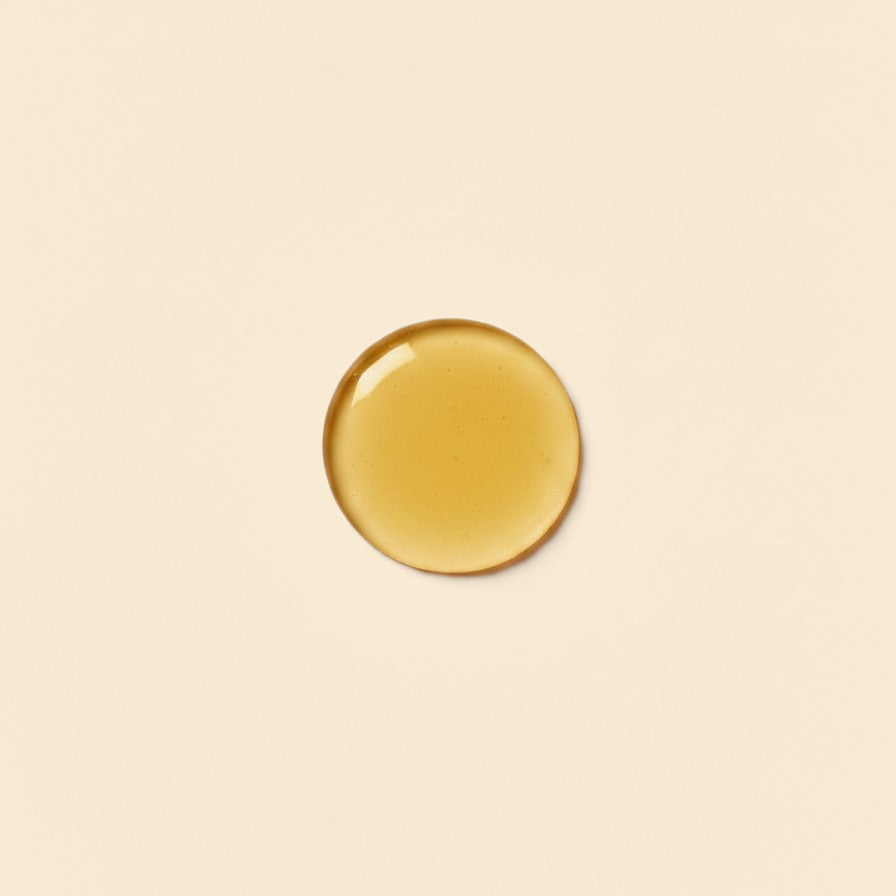
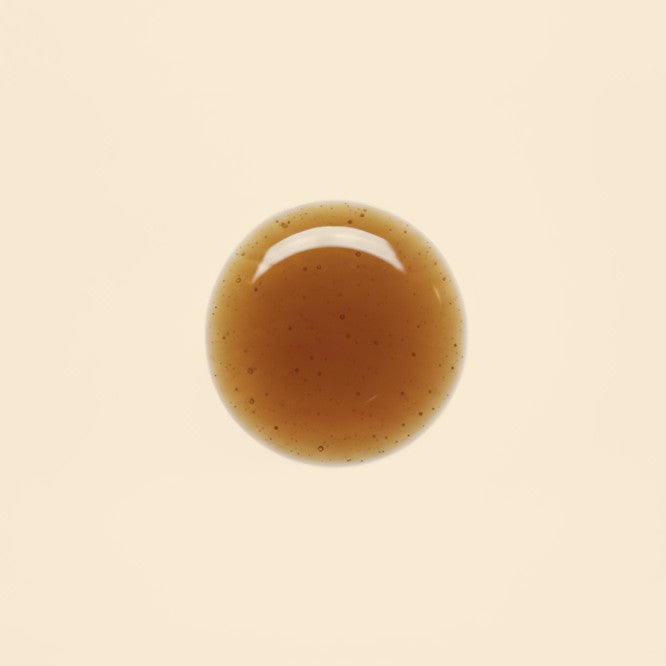
Rosemary, malagueta and almácigo steep slowly in the moringa, like tea, until the oil has taken on their color, aroma and compounds. Coyaba has zero essential oils. An essential oil is a plant concentrated many times over, and that concentration is what can sting or irritate. Steeping the plants keeps Coyaba gentle enough to use up to three times a day.
how do you use an oil for sore muscles?
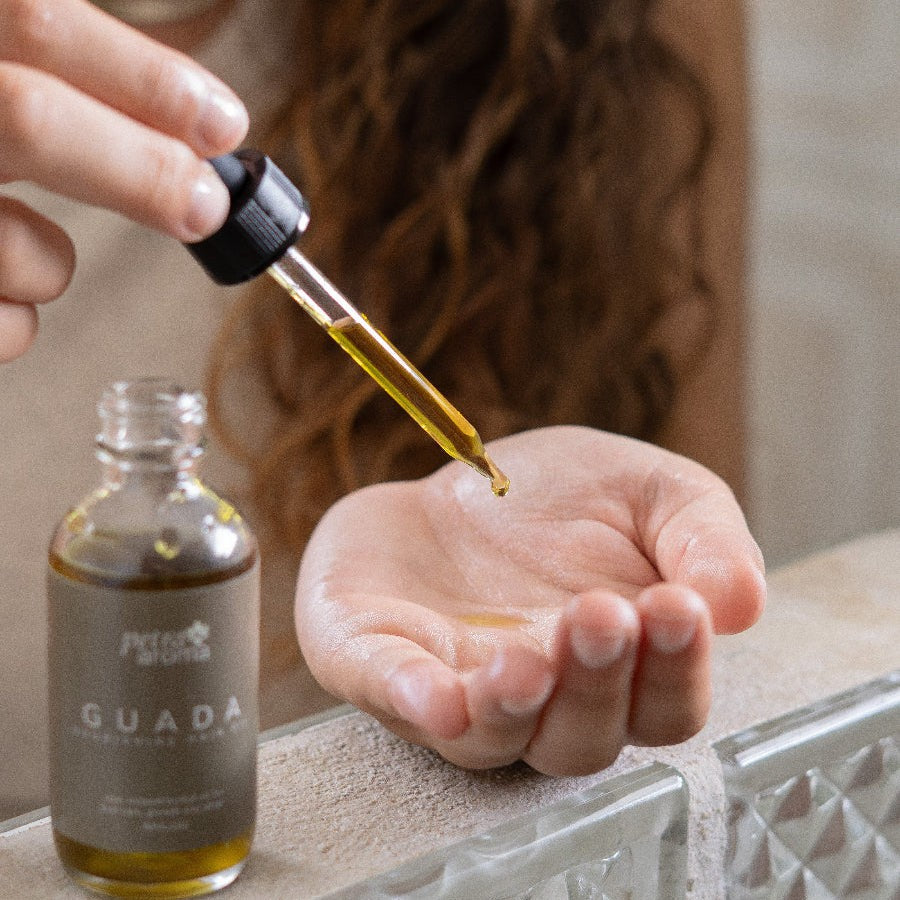
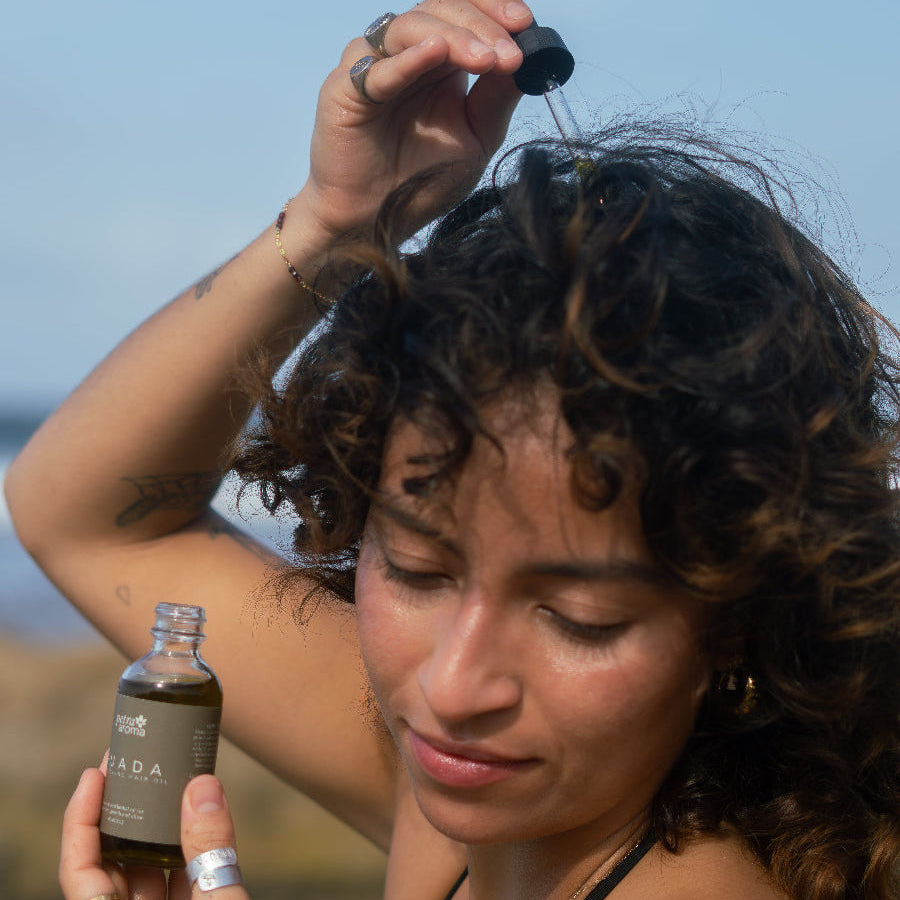
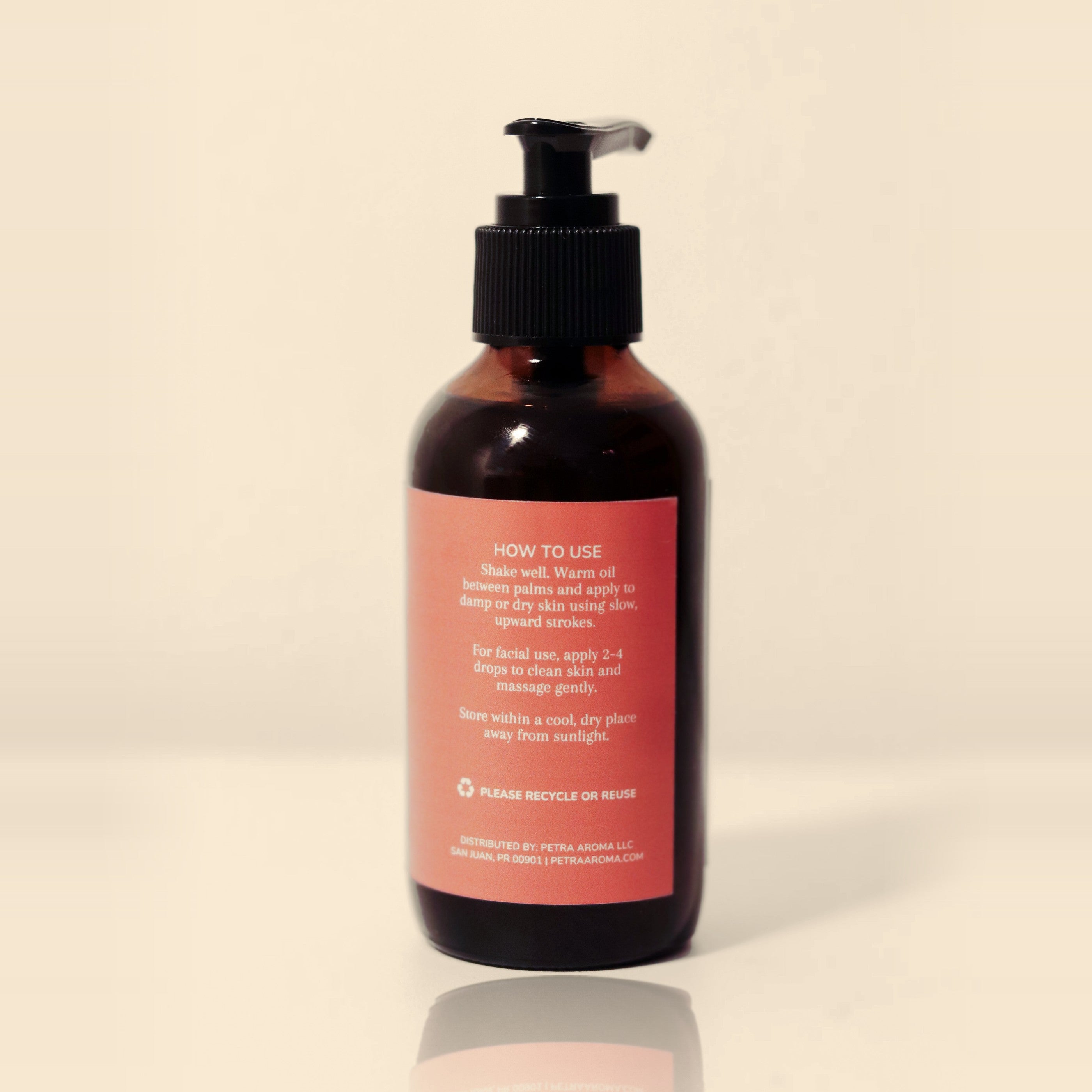
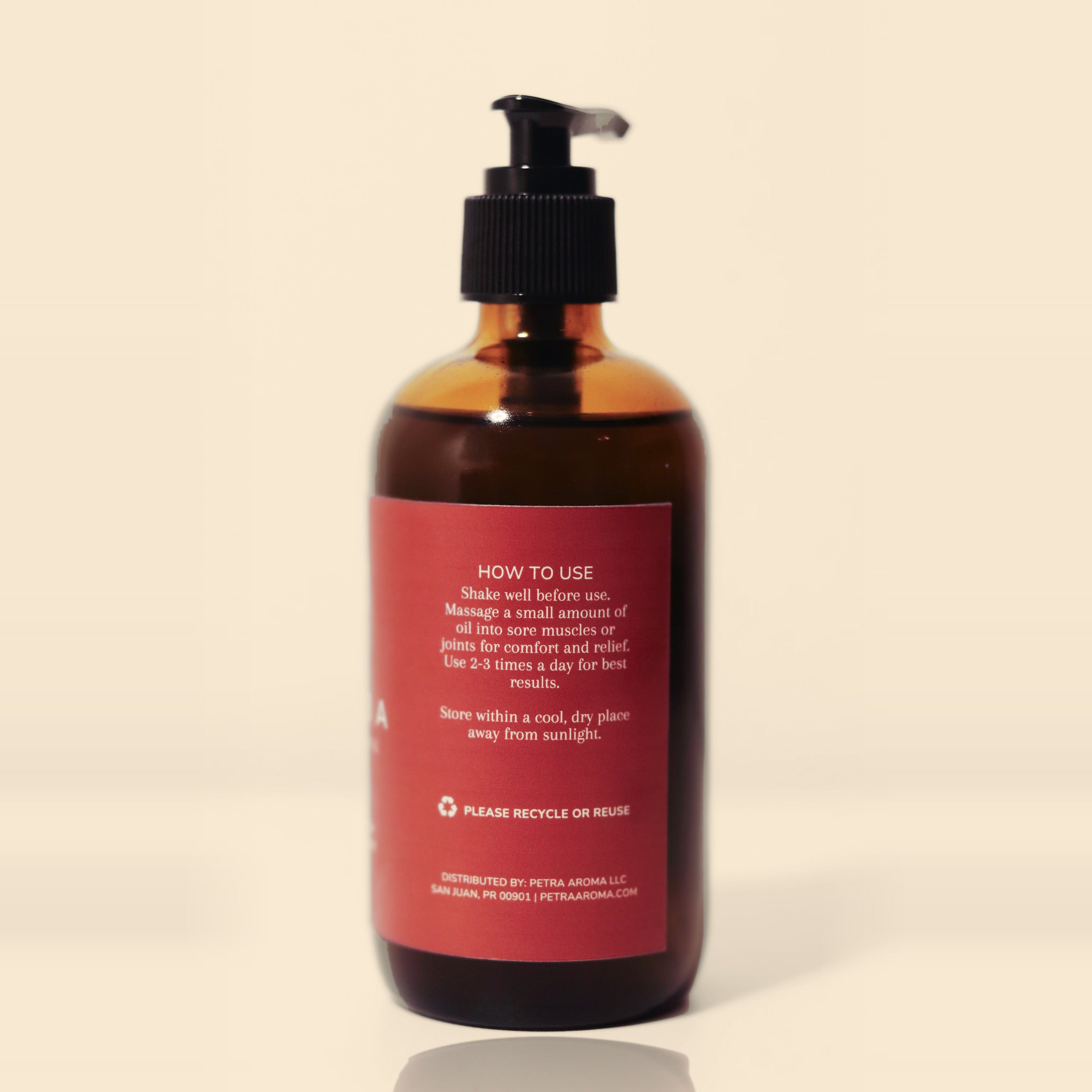
Be generous. Warm a good amount of Coyaba between your palms, then massage it into the sore area with slow, firm strokes. Take your time. Work into the muscle, follow it along its length, and come back to the spots that feel tight.
Because Coyaba is gentle enough for up to three times a day, you can use it in the morning when you wake up stiff, after training, and again in the evening. It feels especially good after a warm shower, when your muscles are already loose. It also makes a lovely massage oil to share: hand the bottle to someone you love and let them work on your shoulders, or bring it to your next session with your massage therapist.
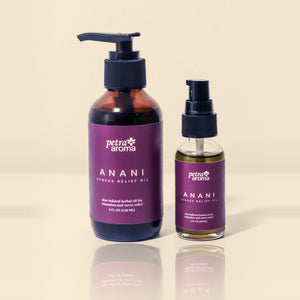
When tension comes from stress as much as effort, Coyaba pairs well with Anani, our calming oil for neck and shoulders. Together they make our Relief Duo.
why coyaba means heaven
Coyaba comes from Taíno, the indigenous language of Borikén, and it means heaven. We named this oil for the feeling of relief, when a muscle that has ached all day finally relaxes. Like the plants inside Caya, each of these plants has a story, and we want you to know them by name.
Meet Coyaba, or if you are not sure which of our oils fits your body right now, take the quiz and we will help you choose.
references
- Expanding the anti-inflammatory potential of Moringa oleifera: topical effect of seed oil on skin inflammation and hyperproliferation. Journal of Ethnopharmacology. 2020. https://www.sciencedirect.com/science/article/abs/pii/S0378874119339662
- In vivo analgesic and anti-inflammatory activities of Rosmarinus officinalis aqueous extracts, rosmarinic acid and its acetyl ester derivative. Journal of Ethnopharmacology. 2013. https://pubmed.ncbi.nlm.nih.gov/23738822/
- Antinociceptive and anti-inflammatory effect of the aqueous extract from leaves of Pimenta racemosa var. ozua (Mirtaceae). Journal of Ethnopharmacology. 2004. https://pubmed.ncbi.nlm.nih.gov/15036471/
- Anti-inflammatory activity of leaf extract and fractions of Bursera simaruba (L.) Sarg (Burseraceae). Journal of Ethnopharmacology. 2004. https://pubmed.ncbi.nlm.nih.gov/15099859/
keep reading